
Essential Tips for Cleaning Your Kitchen Fittings
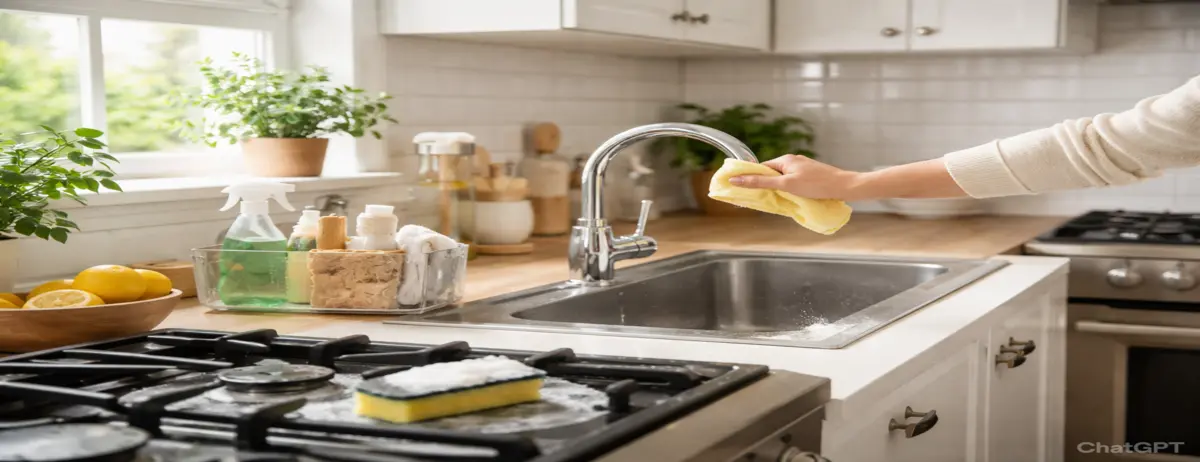
Have you ever questioned yourself why your kitchen fittings however new they are, begin to appear dull or are clogged with time? Whether it is in an elegant faucet or an elegant cabinet handle, each kitchen choice contributes to the beauty and functionality of your kitchen. However, it may take over with grease, water stains and grime with daily use.
Not only do these fittings ensure that your kitchen has a clean appearance, but also it is less expensive compared to replacing your fixtures as it prolongs the lifespan of the fittings. Let us discuss an easy to follow, real-life manual to cleaning and keeping all parts of your kitchen fittings into good shape.
1. Wipe off Faucets and Taps
Among the highest fittings that are used in the kitchen are faucets that are likely to have water spots, as per cleaning professionals. Wiping your taps with a microfiber cloth on a daily basis will always leave them without any watermarks and shine. In order to clean thoroughly, add the same volume of vinegar and water to a spray can and spray it over the tap.
Let it dry for five to ten minutes, then rub it with a soft brush, without employing any hard substance, which will scratch it. The aerator on the faucet must also be maintained by unscrewing the aerator, after which one may drop it in a vinegar every month to remove the minerals.
2. Maintain Sinks and Drains
Your kitchen sink is a hotspot in terms of dirt and bacteria that is a result of the daily cooking activity. Mild dish soap and hot water should be used to clean the sink on a daily basis. With stainless steel sinks, a sponge as well as a little amount of baking soda will remove the stain without leaving any scratches. A weekly approach that is recommended to keep the drain clear is to pour into the drain a mixture of hot water and vinegar that will dissolve the grease and food debris. These steps become especially important during vacate cleaning to ensure the sink and drain are left fresh, hygienic, and inspection-ready.
Pouring oil or ground coffee in the sink should be avoided because it will accumulate and block the pipes. Finally, apply a little olive oil on a piece of soft cloth and rub it on the sink will once again polish the sink surface and ensure the kitchen is clean.
3. Cabinet Handles and Drawer Pulls
Cabinet handles appear small, yet they are very fast in getting prints, grease and dust. Another practice that cleans the skin up every day is wiping with a damp cloth and mild soap once a week. In the case of metallic handles, a vinegar and water solution is a good solution, but wooden handles have to be washed with a damp cloth and dried as soon as possible to avoid moisture damage.
Furniture polish applied to long steel handles can be used to keep metal handles shiny, and to keep your kitchen shining. Clean your handles regularly and you will be sure that each time you open a cabinet, it will be fresh and inviting.
4. Keep Gas Stove and Hob Fittings
The hobs and the knobs on the stoves are likely to cause spillages, greases and burnt out substances which might become difficult to clean. Additionally, clean out stove knobs cautiously then wiped by warm soapy water and they must be dry before replacing. Wipe clean hob with soft and clean sponge or dish soap and warm water. Baking soda and water paste are useful in the elimination of tough stains.
Powerful chemicals such as bleach are not to be used as it will kill the enamel or the stainless steel topography. It is not only that a clean hob is more beautiful, but the cooking process is also safer and easier.
5. Hinges, Rails and Keep Handles Maintenance
Sliding drawers, hinges in cabinets and rails are supposed to be examined on a regular basis to ensure they do not squeak or refuse movement. A small application of food-safe silica spray or petroleum jelly to movable parts will guarantee a smooth movement. Clean screws and fittings periodically to ensure that nothing is loose or wobbly.
The dust and debris must be swept away in the tracks and hinges in order to prevent future wear. With such sections in good condition, then your cabinets will be more durable and day to day activities in the kitchen are hassle free.
6. Clean Tiles and Fittings Backsplash
Grease splatters and water stains are likely to be found on kitchen walls and fittings to the backsplash. It is good to wipe these parts daily using a microfiber towel and a little soapy water in order to keep them clean. A vinegar and water solution or another paste of baking soda using a soft brush can also be used on harder stains, particularly on lines of grout.
Regular applications of grout sealer can be used to avoid absorption and discolouration of the grout and as a result, your kitchen backsplash will be clean and bright. It also beautifies the interior of the kitchen as the interior is beautified by the use of clean tiles.
7. General Tips for Longevity
To maintain all your kitchen fittings clean you should not use rough cleaners like steel wool as they can scratch the surfaces. Establish a routine intensive cleaning of all fittings to prevent deposition of the same and corrosion. To save labour, spending money on cleaning products of good quality and microfiber cloths will help preserve your fixtures.
Regular cleaning of the kitchen not only ensures your kitchen is always clean, but also keeps all your fittings intact, ensuring that your kitchen serves and looks good for many years to come.
Conclusion
It need not be as a task to keep your kitchen fittings clean and in good conditions. Through some minor habits and habit of expert cleaning, you will be in a position to extend the life of your faucets, sinks, cabinets, and appliances and keep the kitchen sparkling and homey. A little would go a long way, as a neat kitchen will be a comfortable place to cook in. Do not forget to check a bathroom cleaning guide before final handover.
Related Posts
Smart and Easy Tips for Successfully Removing Tough Stains
Have you ever imagined that a small and accidental drop can absolutely destroy your favourite…
Remove Pen and Crayon Marks Without Damaging the Wall
Remove Pen and Crayon Marks From Walls Safely Have you ever looked at your painted…
Seven Practical Tips to Clean Off Sticker Residue
Have you ever tried to peel off a sticker with the hope that you will…