
Smart and Easy Tips for Successfully Removing Tough Stains
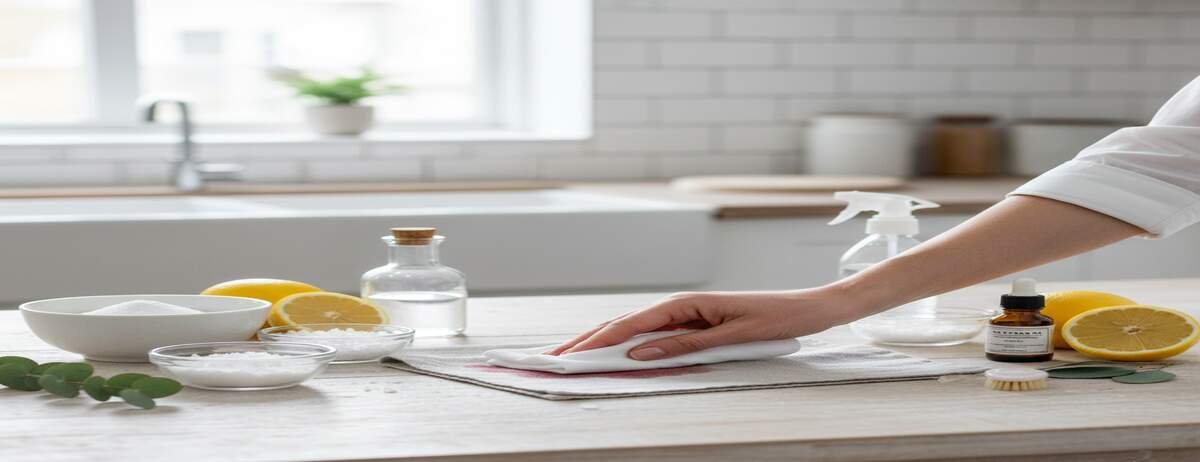
Have you ever imagined that a small and accidental drop can absolutely destroy your favourite fabric or furniture? Marks find their opportune time and will not go away, no matter how much you wipe. The good thing is, though, that most of the stains can be taken off, provided one knows what caused them and applies the right method. With the use of clever tricks and a bit of patience, almost any surface can be made to appear clean and fresh once again. This blog will also take you through real-life, natural and effective tips to make you capable of dealing with any stubborn stain
1. Understand the Nature of the Stain Before Acting
It is necessary to determine the type of stain before rushing to clean it. There are also those stains, such as oil, protein, which respond differently to expert cleaning agents. You know where to treat it, and you treat it right the first time, instead of treating it wrong and making the stain permanent. In non-scientific terms, in the case of blood marks, hot water will permanently fix the stain, whereas cold water will loosen the stain. The mere time of looking at the spill would save time and avoid irreparable harm.
2. Act Fast to Stop the Stain from Settling
The sooner you treat a stain, the simpler it becomes to get rid of. New stains have not bonded so firmly to the fibres or surfaces yet and so your tidying is more effective. By immediately blotting, rinsing or smearing with a mild cleaner, one will notice a difference. Delaying may result in repetitive cleaning efforts, or simply fading of the fabric or, in any case, permanent streaks that cannot be removed with any product.
3. Blot, Do Not Rub to Preserve the Surface
When one comes across a stain, the first thing that will always come to mind is to rub it, yet what it does is to extend the stain even deeper into the material. Blotting, in its turn, transfers the stain but does not cause any harm. Apply a clean cloth or tissue to the stain by pushing on the outer with a semi-firm stroke to the centre of the stain. The method traps the mark and absorbs the surplus residue. By doing any more rubbing, and more so on sensitive fabrics. You are likely to ruin their feel and make the stain much more difficult to get off in the future.
4. Use the Right Cleaning Solution
The liquidity of the stain is not always reacting to the same cleaning technique, so applying the inappropriate one may exacerbate the condition. The reason is that grease will be easily removed using dish soap since it cuts through oils, whereas the blood or sweat stain will do well with cold water and enzyme cleaners. Colored dyes like wine or ink may need to be mixed with vinegar, alcohol or baking soda. The correct solution saves the material and accelerates the process of removing the stain. The second benefit of first testing on a small corner area is to avoid accidental discolouration.
6. Smart Heat Use for Stubborn Stains
The level of heat is both beneficial and detrimental, depending on the nature of the stain. In case of greasy or waxy stains, heat may be used to loosen the residue and simplify the process of removing them. A hot iron on a towel, such as a warm iron, can remove melted wax on clothes. Marks to protein or dyes can, however, be permanently fixed by heating. Knowing when heat is to be applied will not leave you with a bad stain. Never heat cold water, but add the warmth slowly, only when the stain is known to react well to heat.
7. Wash thoroughly and let the Space dry completely
Good rinsing is after a stain has been treated to ensure that it leaves no residue to keep attracting new dirt. When cleaning solutions are not removed from the fabric fibres, they may form rings or dull spots. Always leave the spot to dry fully before determining the outcome, since a wet surface usually conceals the actual state of the stain. Drying will also avoid mildew, which develops particularly on the upholstery or carpets. Naturally, a rinsed and entirely dried area will provide a clear understanding of whether the area needs additional cleaning.
8. Repeat Process Slightly as Necessary
There are those types of stains that are sticky and cannot be cleaned in a single housecare session. It is more effective to repeat the house cleaning process gently than to use other chemicals. Every single treatment removes a bit more residue, and ultimately fades away without hurting the surface. The reason why patience is important is that aggressive tidying may destroy fibres or dull colours, or harden textures. The cyclical work method is used in order to ensure that the stain is removed slowly and retains its initial look as much as possible.
Conclusion
Stains are irritating, although through proper methods and a peaceful attitude, they can be handled without any difficulty. Stain identification, speed of action, appropriate solutions and gentle processes will ensure that you safeguard your fabrics and surfaces and clean up effectively. Natural remedies are also safe, and time can enable you to work on the most difficult spots, even helping to eliminate pink mould. Whenever you see another stain, you should keep in mind that only a bit of knowledge. The correct course of action is the ingredients that will help you bring freshness to the situation without any stress.
Related Posts
Simple Tips to Eliminate Pink Mould in the Bathroom
Have you ever questioned yourself as to why your shower has suddenly acquired a pinkish…

Why Ceiling Fans Get Dusty & How to Fix It?
Ceiling Fans: Why They Get Dusty And Easy Fixes Out of nowhere, dust piles on…
Remove Pen and Crayon Marks Without Damaging the Wall
Remove Pen and Crayon Marks From Walls Safely Have you ever looked at your painted…