
Seven Practical Tips to Clean Off Sticker Residue
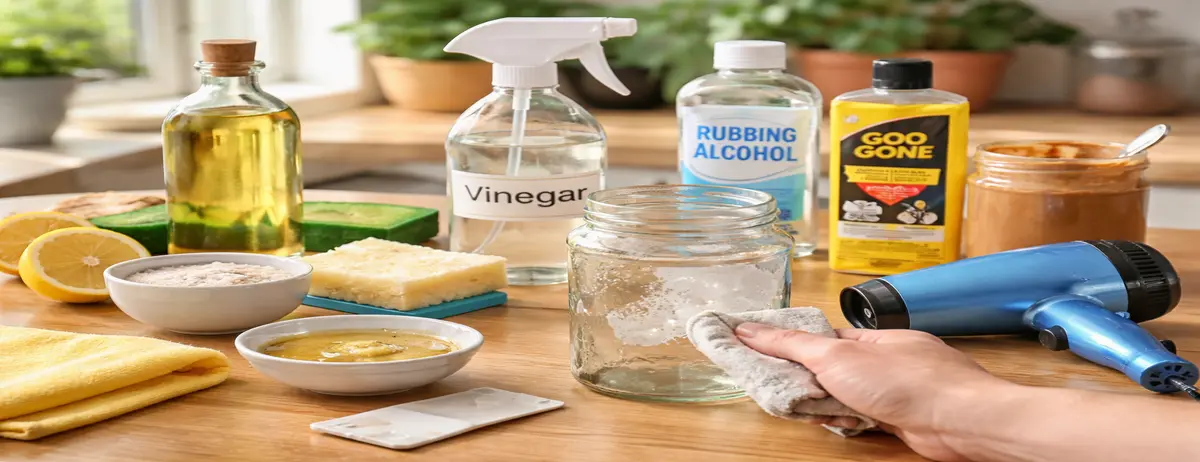
Have you ever tried to peel off a sticker with the hope that you will get a nice surface, only to painfully experience that sticky surface? The ugly and gummy residue is annoying on any of the glass, plastic, wood or metal. It seems that the leftover glue is the stuff that will stay on whatever you can price label, old labels on jars and appliances, etc.
You do not need harsh chemicals and expensive solutions to rectify the situation. The residue of the sticker is removable with safe removal, with the appropriate methods and with the help of the usual household equipment and reconditioning the surface to the desired lustre. These are the seven useful and effective techniques of eliminating sticky residue without ruining your property.
1. Warm Soapy Water
This is because sometimes the easiest way is the best way. Residual adhesive can be softened using warm water and dish soap and wiped off, also recommended by a cleaning company. Wet a piece of cloth using warm and soapy water and cover the sticky surface with it over a few minutes. This helps loosen the glue. When soft, then rub with a sponge or cloth. This technique is particularly effective on glass, containers made of plastic as well as jars. It is safe, cheap, and suitable for light adhesive marks.
2. Baking Soda and Cooking Oil
One of them is a blend of baking soda and cooking oil to a form of strong oil-based natural paste that dissolves sticky residue. Whisk in the same quantities of baking soda and oil (e.g. olive or vegetable oil) to a pan and mix it to a thick paste. Cleanse it on the affected part and allow it to dry up within 10-15 minutes. The adhesive is dissolved in oil and is abrasive with the help of baking soda. Cleanse it using a wet cloth. It works well on plastic material, metal and even a painted wooden surface that has been finished.
3. White Vinegar
White vinegar is an all-round cleaning agent that is reputed to cut through grease and dirt. A little vinegar is heated up (not boiled, just warm), after which a cloth or a paper towel is soaked in it. Press against the sticky residue and leave it to several minutes. The acidic property aids in the disintegration of the adhesive to allow the scraping off of the adhesive using a cloth or plastic scraper with ease. On glass and hard surfaces, vinegar works especially well.
4. Rubbing Alcohol/ Hand Sanitiser
Rubbing alcohol is fast in removing the sticker. Apply a little to a cotton ball or cloth and rub it over the sticky surface. The alcohol does not dissolve the glue bond and the bond is easy to peel off. In case of lack of rubbing alcohol, hand sanitizer may serve as a solution since it contains alcohol. Never start with a large region; any small hidden part must be tried, or it may spoil the finish of the surface, particularly on painted materials or delicate ones.
5. Hair Dryer Method
Heat may be used to loosen the stubborn adhesive that is difficult to remove. Apply a hair dryer with a medium level and blow dry the sticker residue by placing warm air over it for 30 seconds to 60 seconds. The glue that is under the heat is softened. Wipe using cloth or plastic scraper and then wipe off the residue. This technique is particularly convenient in cases where it is required to clean the glass windows, mirrors and the metal surface without liquids.
6. Peanut Butter
It may be weird to hear but peanut butter will be useful in dissolving sticker residues. The peanut butter is composed of natural oils that are used to dissolve sticky adhesives. Apply a little to the residue and allow to dry off, 10-15 minutes. Use a damp cloth to wipe it off and wash the surface thereafter with mild soap in order to remove any traces of oil. The technique is most effective on hard surfaces such as glass or closed wood.
7. Adhesive Removers: Commercial
In the case of residue that is so tough to get off, a commercial adhesive remover may be effective. These are products which are specifically designed to dissolve tough adhesives in an easy and effective manner. Take it and apply following the instructions of the manufacturer and wipe. Although useful and effective, they need to be carefully used and properly ventilated. Never apply to a large surface; always check the labels and on a small part before doing so, or there will be possible surface damage. Hiring professional team for house cleaning can also help in this.
Conclusion
Sticker residue could be a minor issue, but it could leave even expert clean surfaces untidy and neglected. Luckily, it does not necessarily have to be a complex task to get it off. There is a solution to all kinds of situations, whether that solution is made by using natural remedies such as baking soda, vinegar, and peanut butter, or by means of just some heat and some commercial solutions. You will know what to do next time you have that sticky patch annoyed you. Through the proper method, you can clean up your surfaces in a short time and still have your home looking clean and well set. For example, regular cleaning kitchen fittings maintenance also helps prevent sticky buildup and keeps your space hygienic and polished.
Related Posts
Why Ceiling Fans Get Dusty & How to Fix It?
Ceiling Fans: Why They Get Dusty And Easy Fixes Out of nowhere, dust piles on…
10 Amazing Cleaning Uses for Cream of Tartar
Have you ever heard that a basic ingredient that is lying in your kitchen cabinet…
Essential Tips for Cleaning Your Kitchen Fittings
Have you ever questioned yourself why your kitchen fittings however new they are, begin to…