
Simple Tips to Eliminate Pink Mould in the Bathroom
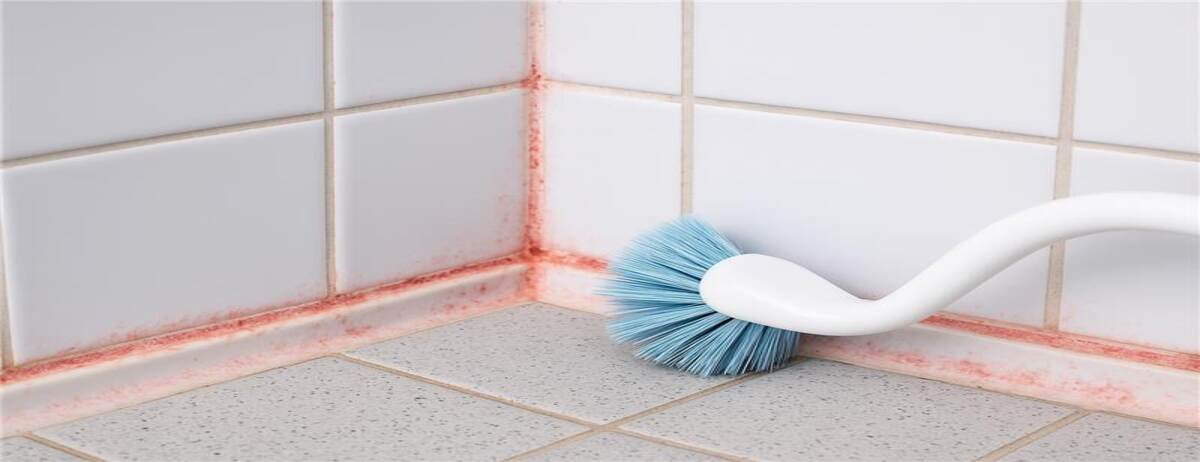
Have you ever questioned yourself as to why your shower has suddenly acquired a pinkish colour following a few days of usage? Pink mould is an attractive phenomenon, but one of the delicate signs that the moisture and absence of ventilation, as well as stagnant air, are making your bathroom a fungus. This not only causes a spoil in the look of your tiles and fittings, but can also become dangerous to human health, particularly that of the respiratory sensitive.
Knowing the sources of pink mould, and more to the point, what to do about it directly, can make your shower space stay fresh and clean. We shall take you through a step-by-step, DIY process of getting rid of that annoying pink growth in this blog. We shall end with a sequence of tips and tricks so that your bathroom always stays clean.
1. Gather the Supplies
Prepare yourself for everything you are going to need before you touch any surface. A list of tools is not only the way to save time but to avoid panic in the middle of carpet cleaning. Take a firm scrubbing brush to clean the corners that are difficult to reach, a sponge to clean the bigger areas, and a spray bottle filled with a solution. You will also require a plastic bucket, rubber gloves, eye protection equipment, a microfiber cloth, and a small fan or, in case you have one available.
Here we are going to take you through an easy DIY procedure of getting rid of that pink mould and maintaining your shower in a process that makes it look fresh. By preparing such supplies in advance, you will be well organised and you will not be rushing to the store to pick a forgotten item.
2. Prepare the Housecare Solution
The mould removal depends on a strong and safe cleaning agent. The mould removal depends on a strong and safe tidying agent. When you have some of those more stubborn, deeper stains, you can add a tablespoon of baking soda to the mixture; the mild fizz will scour off some of those stains. To add additional anti-bacterial effects, add drops of tea tree oil or peppermint essential oil- these natural oils are very effective at fighting fungi.
The solution should be mixed evenly in the bottle by shaking the bottle before use. This homemade solution is not toxic, cheap, and efficient in removing the pinkish colour and leaves surfaces undamaged.
3. Use the Cleaning Solution on the Pink Mould
Your solution is prepared! It is now time to get to the root of the mould. Spray a profuse amount on the affected tiles and shower walls, and any fabric that has pink spots. Allow the liquid to rest 15-20 minutes so as to enable the vinegar to get into contact with the spores. As long as the solution is working, apply it to the area using a scrub brush and gently stir up the area.
This mechanical force will help loosen mould on porous areas. In the case of curtain fabric, the solution can be splashed or the curtain can be put in the bucket and allowed to soak. Use gloves and protective eyewear, particularly where there is a lot of area to attend to, because the mould spores may be irritating to the skin and the eyes.
4. Rinse the Areas
Rinse off the treated areas after scrubbing to avoid the growth of moulds. Apply water using a housekeeping spray bottle or a handheld shower head, and run the tap on so as to loosen and remove all the residual spores. In the case of fabric curtains and linens, use the washing machine using hot water and some baking soda to remove any remaining odour.
Once the rinsing is complete, dry off all surfaces with a dry microfiber cloth so that all the excessive moisture is removed, and so far, this is the primary breeding ground of mould.
5. Use a DIY Disinfectant to Disinfect the Shower
To address the stiff cloth mould in a damp shower, one had better work on the curtain and liner separately from the rest of the laundry. Wash your machine using the hottest cycle it allows and use one cup of white vinegar in the rinsing process- this assists in neutralising any remaining spores. The heavily soiled items should be pre-washed in a solution of water and baking soda, after which they should be left to pre-soak for between 30 minutes.
When the cycle is complete, hang the curtain and the liner and hang them outside to dry. The heat, vinegar and airflow will significantly help eliminate the possibility of the recurrence of moulds.
Conclusion
Pink mould is not only a beauty menace, it is a sign that moisture, air staleness, and lack of care have made your bathroom the habitat of irritants. The best method, as per a cleaning company, for safeguarding the health of your family is to act rapidly, wash well, and leave the area dry. Begin by getting rid of any damp curtains and opening windows or a vent fan so the moisture can escape.
Then rub the affected tiles with some vinegar-based solution, followed by a baking soda solution, scrub the tiles with a stiff brush, rinse and wipe with a dry cloth. This is a habit that should be repeated as soon as you notice the initial mould. Regular drying, regular changing of curtains and regular ventilation are the best defences against future infestation.
Related Posts
Seven Practical Tips to Clean Off Sticker Residue
Have you ever tried to peel off a sticker with the hope that you will…
10 Amazing Cleaning Uses for Cream of Tartar
Have you ever heard that a basic ingredient that is lying in your kitchen cabinet…
Stress-Free Strategies for Apartment Cleaning Smoothly
Stress-free apartment cleaning tips for daily living Have you ever had it, unable to start…