
Complete Bathroom Cleaning Guide for a Fresh Home
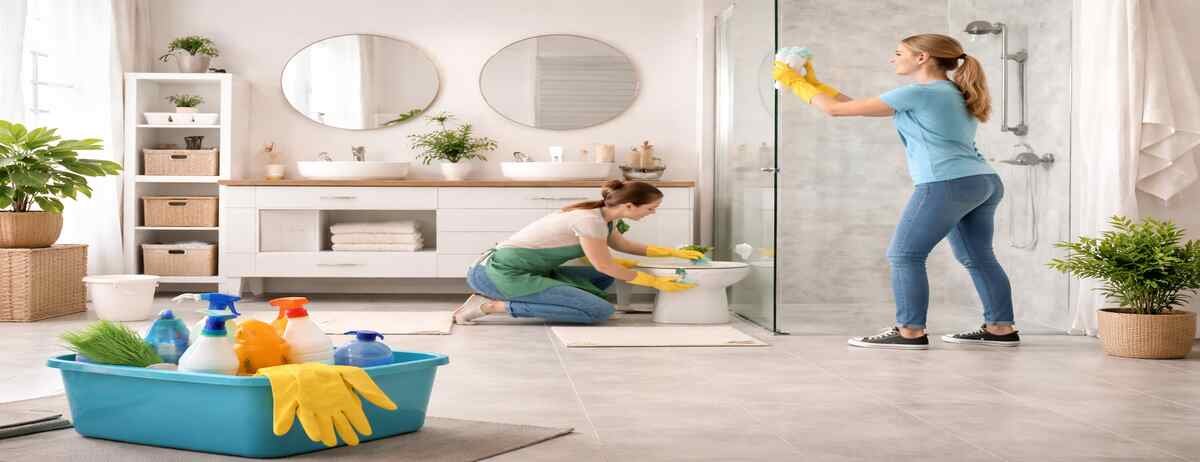
Are you planning to maintain a deeply clean bathroom? Most bathroom cleaning fails because it becomes rushed, emotional, and surface-focused. A complete bathroom clean needs a neutral reset that removes moisture film, soap residue, bacteria traces, and irritants trapped in seams and corners. The goal is not fragrance or shine. The goal is proof that nothing will resurface later. When you clean in the correct order and target real zones, odors disappear, hygiene improves, and complaints stop. This checklist helps homeowners clean fast, clean deep, and leave no hidden moisture behind.
1. Clear the Bathroom Without Negotiation
Remove everything before cleaning. Towels, mats, bottles, shelves, and counter items must be cleared completely. House cleaning around objects hides soap buildup, mold lines, and dust rings. An empty bathroom shows water marks, residue trails, and problem corners instantly. Clearing takes minutes but saves repeat scrubbing later. If you skip this step, moisture and grime remain trapped under items. Empty first, inspect second, clean after. Control starts with visibility, not effort.
2. Toilet Bowl and Base Reset Without Odor Masking
The toilet is the highest-risk hygiene zone and must be handled calmly. a fact well understood by end of lease cleaners who follow strict hygiene standards. Using a cleaner inside the bowl, then allow it to sit before scrubbing. Wash rim, joints of the seat, flush handle and base separately. The floor seal in the area of the toilet entraps moisture and bacteria silently. Avoid spraying into the air. Cloth-first wiping prevents particles from spreading. Let all surfaces dry fully. A wet base of the toilet recreates the smell in hours. Dry finish equals control.
3. Shower, Tub, and Tile Lines Need Containment
Shower walls and tubs collect soap film and mineral haze that spreads when rushed. Start at the highest tile line and work downward slowly. Apply cleaner to the cloth, not the air. Grout lines retain moisture and must be wiped deliberately. Loose hair and debris should be removed before wet wiping. If tiles shine while damp, residue remains. Rinse lightly, then dry. The showers are not greasy or perfumed.
4. Bacteria Courts Sink, Countertop, and Faucet Base
Bathroom sinks entrap toothpaste film, skin oil, and water minerals. Wash bowl, rim, drain ring, and faucet base. There are splash zones that are located around the sink and contain the dried droplets that re-activate when in contact with moisture. which is why a bond cleaning service focuses on calm, controlled wiping rather than surface pressure. Use a calm wipe motion, not scrubbing pressure. Finish by drying all surfaces. A damp sink attracts dust instantly. Odor control comes from removing buildup, not adding scent. Dry surfaces reset the zone fully.
5. Cabinets, Shelves, and Storage Zones Need Slow Control
Open cabinets and shelves completely. Wipe inner walls, shelf edges, and outer faces with a mild liquid on a cloth. Bathroom storage holds airborne moisture that settles on surfaces silently. Handles and knobs carry residue from wet hands and steam. Clean top surfaces first, then sides, then touch points. Slow wiping captures moisture film better than fast passes. Storage zones decide whether mold returns or stays gone.
6. Switches, Mirrors, and High-Touch Points Are Risk Zones
Light switches, mirror edges, taps, and door handles hold the most contact residue. Wipe these zones separately using a neutral liquid applied to a cloth. Avoid streak obsession and scented sprays. Improper application spreads irritants into the air. A properly cleaned touch zone feels dry, neutral, and calm to breathe around. Shine is not cleanliness. Neutral control is.
7. Final Dry-Down Is the Non-Negotiable Step
Clean the whole bathroom and then dry it. Moisture should not be on floors, corners, fixtures, and seals. Air out momentarily to get rid of humidity. Replace clean, dry towels and mats only after surfaces are fully dry. Moisture left behind restarts mold and odor cycles. The final dry-down is what locks the clean in place. Skip it, and problems return quietly.
Conclusion
Complete bathroom cleaning is not about products. It is about sequence, moisture control, and a dry finish. Most upkeep failures happen when scent replaces substance or speed replaces order. An expert cleaning checklist-driven bathroom reset removes bacteria at the source and prevents rebound odors. When you clear first, clean top to bottom, isolate touch zones, and dry last, the bathroom stays neutral and healthy. Discipline beats chemicals every time. This method works for every home, every standard, and every routine. Dry air, clean surfaces, calm exit.
Related Posts
Stress-Free Strategies for Apartment Cleaning Smoothly
Stress-free apartment cleaning tips for daily living Have you ever had it, unable to start…
Why Ceiling Fans Get Dusty & How to Fix It?
Ceiling Fans: Why They Get Dusty And Easy Fixes Out of nowhere, dust piles on…
Essential Tips for Cleaning Your Kitchen Fittings
Have you ever questioned yourself why your kitchen fittings however new they are, begin to…