
Why Ceiling Fans Get Dusty & How to Fix It?
Ceiling Fans: Why They Get Dusty And Easy Fixes
Out of nowhere, dust piles on your ceiling fan even when the house looks tidy. Strange, right? How does it gather there so fast? Little bits float around, sneaking onto surfaces while you’re not watching. Over days, the blades catch what the air carries that is hair, fibers, specks from outside. Not magic, just movement. Time lets them stick, layer by tiny layer. Slowly at first, the mess piles up until it’s right there in front of you. Only once it demands attention do most start paying mind. Knowing why it happens helps reduce the work down the line. Small routines paired with a bit of attention prevent chaos from piling high.
1. Why do ceiling fans gather dust over time?
Air moves nonstop when ceiling fans run, carrying tiny bits of dust along. From carpets to couches, from curtains to open windows – dust finds its way into the flow. Spinning blades catch those floating specks, trapping them on their surface. Once rotation ends, what sticks stays put. Layer by layer, without notice at first, grime piles higher. Every day, even where things look spotless, it keeps happening. Floating on unseen currents, dust settles where hands rarely reach during cleaning. Air drifts between walls, carrying tiny particles into corners forgotten by clothes.
2. The Role of Static Electricity
Spinning blades build up an invisible pull on their skin. That tiny force grabs floating specks drifting nearby. Dust lands there and stays put without much fuss. A quiet stickiness keeps it locked in place. Most people overlook how quickly tiny particles stick. Once settled, even a small amount turns stubborn. Over time, regular operation pulls more into the blades. That buildup speeds up when the machine runs daily. A cleaned fan looking dirty again makes sense, knowing this pattern.
3.Air Flow and Dust Travel
Out of nowhere, dust gets tossed into the air when fans kick on. Because they drag in airflow from corners and under furniture, everything stirs up. As stuff floats around, old fibers rise off rugs or drapes without warning. Even shelves give up grime that rides unseen currents straight onto spinning arms. Faster spinning pulls in more dust than before. Open windows let outdoor air sneak inside, dragging extra dust along. That breeze seems clean, but moves tiny things you cannot see. Blades gather gunk slowly when wiping stops too long. The mess piles up without someone keeping track. When buildup reaches this point, many people choose bond cleaning services to handle detailed areas like ceiling fans more effectively.
4. High Humidity Increases Discomfort
Moist air turns tiny particles into stubborn grime on spinning parts. Instead of floating free, they cling where blades meet wetness. Slowly, what starts as a light coat grows dense and rough. Cleaning takes more effort because damp surfaces trap grit like glue. When the air feels damp, grime tends to show up faster. Dust sticks better when water hangs around, grouping into patches you notice more easily. Running a fan and opening windows ventilates stale air out, and that reduces accumulation as time goes by. Maintain moisture levels indoors, and surfaces remain clearer for longer periods.
5. How Room Activities Affect People
Inside your home, everyday actions pile up more grit than most realize. From cooking, tiny bits rise into the air only to land later on countertops or shelves. While cleaning moves dirt around, giving it a chance to float first. Little bits wiggle free between rooms, lifted by breezes that tug them along until they drop somewhere quiet. Fur drifts from animals, alongside skin cells so small they hang like dust, moving wherever the air pulls. Because these bits travel freely, rooms get dustier when animals are around. As air flows constantly from the fan, those floating specks stick more readily to spinning parts. Busy households tend to notice grimy blades sooner than quiet ones.
6. Dusty Fans Affect Airflow And Efficiency
Out of sight, that layer on your fan blades isn’t just sitting there quietly. Once spinning begins, it tosses specks around like tiny storms. Breath gets heavier after a while, especially if you are sensitive. A few people begin to start sneezing before they even know why. Over time, dust builds up on fans without much notice. When gunk piles on, air does not move as freely through the blades. Clean surfaces keep things running smoother than most expect. Fresh moving air changes how a room feels – calmer, clearer, lived-in right. Each wipe counts toward steady function when you forget it is even there.
7. Stop dust from collecting easily
Later, the mess starts with today’s small neglect. Often, cleaning keeps tiny bits from building up slowly. This kind of cloth grabs loose dirt rather than sliding it across. Sweating over filthy weeks away? Skip that. Simple wipe early avoids tough scrubbing later. Powering down the fan first means fewer risks plus cleaner outcomes. Dust settles more slowly when furniture close by is covered. When it’s windy outside, shut the windows. It keeps things inside clearer. Tiny actions add up if done regularly. Sticking to simple cleaning steps means less scrubbing down the road. A steady rhythm keeps the fan looking fresh without extra work.
8. Proper Ways to Clean Ceiling Fans
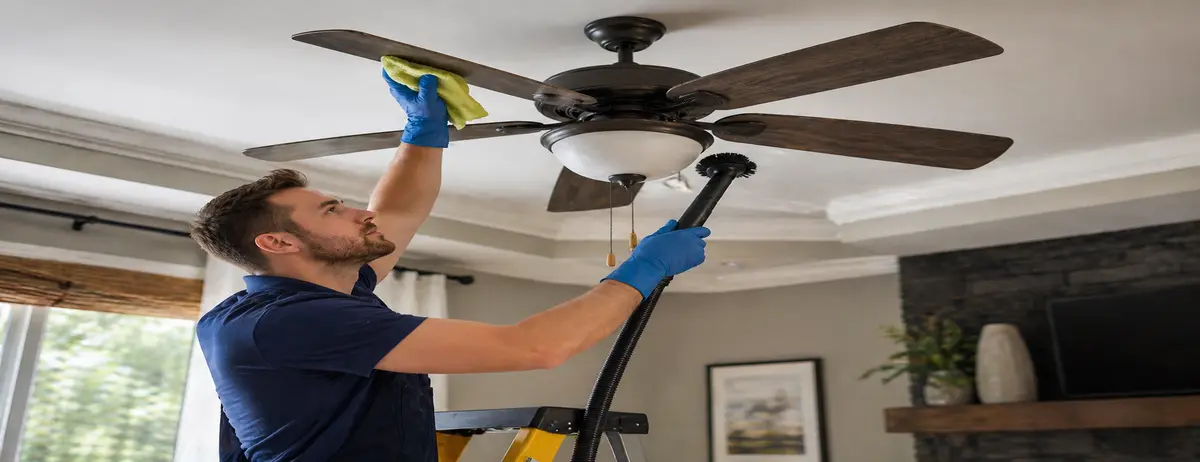
Cleaning your fan the right way leads to improved performance along with fewer wipe-downs over time. Power down the unit first so there’s no risk when you get close. A solid ladder gives steady footing while reaching up. Each blade gets attention through soft strokes of a wet fabric made for dusting. Start slow if grime sticks hard; try gentle soap first. Watering a little beats soaking too much. Too much water might damage the plant. Wipe every vane right after washing – streaks hate dry surfaces. Both faces need attention, one at a time. Dust lifts best when pressure stays low and moves steadily.
9. Choosing Appropriate Cleaning Equipment
Start clean with tools that fit your space. These cloths grab tiny dust bits instead of pushing them around. Slide a pillowcase over each blade before wiping – dust stays inside. High fans? Reach them without stepping up using long-handled dusters. Loose dust often lifts away easily when a soft brush moves across the surface first. Before any wipe-down begins, using the correct tool cuts back on how long it takes. Better outcomes show up when the proper gear is part of the routine. Each session gets easier because having what you need means less work every round. Simple cleaning becomes even easier when you rely on natural solutions, like those used in an effective homemade window cleaner.
10. How Often to Clean Your Fan?
Most homes stay clean with a session every fourteen days. Picture kids running around? That space might need tidying more often. Pet tracking dirt means wiping down surfaces each week works better. When dust settles fast, extra rounds make sense. The way life happens at home changes how many times a day you clean with a cloth, broom, or run the vacuum. Everyone underestimates the number of times a glimpse will prevent work. If left unchecked, dirt piles up and turns simple upkeep into a chore. Sticking to checks every so often stops layers from settling deep. Efficiency stays high only when airflow moves without blockage. Comfort depends less on guesswork once routine steps become habit.
11. Right Fan Size Important
A well-chosen fan changes how dust floats through the air. Bigger models shift greater volumes of air, altering where particles settle. Using a ceiling fan size chart for spacious areas leads to smarter picks. Correct dimensions mean steady breezes without stirring up too much debris. Comfort rises. So does power savings. A larger fan moves air just fine while keeping dust where it belongs. Most corners stay clear if placement gets some thought at first. Air moves better when the setup leans on evenness, not chance. One spot avoids buildup because the whole system shares work. Starting balanced means dust does less traveling. How it begins shapes where grime lands.
Conclusion
Dust gathers on ceiling fans more often than people expect. Most dust sticks to things because the wind keeps pushing it around. Try wiping stuff down every seven days using something gentle like fabric. That slow buildup? It slows even more when you stay consistent. Dust hates routine. Open windows sometimes add invisible grit carried indoors. Moisture levels change how fast layers form overnight. Simple routines beat tough scrubbing later. Even unnoticed actions like walking across carpet feed into what collects above. Each pass of a duster breaks the cycle just enough. Now and then, tending to your fan helps it run smoothly. When looked after properly, it clears the air while making spaces feel calm and livable throughout each day.
Related Posts

How to Create an Effective Homemade Window Cleaner?
Window Cleaner For Streak Free Shine At Home Ever noticed how your windows still look…

Remove Pen and Crayon Marks Without Damaging the Wall
Remove Pen and Crayon Marks From Walls Safely Have you ever looked at your painted…

Complete Bathroom Cleaning Guide for a Fresh Home
Are you planning to maintain a deeply clean bathroom? Most bathroom cleaning fails because it…